Terraso’s latest update brings “autosave” to our story maps feature. As you add images, text, and data to your story map, those changes will automatically save to a draft, so that your work is always preserved while you are online.
We came to understand the need for this feature while working onsite with one of our co-design partners, Conservation International Guyana. Our two teams collaborated on a storytelling workshop with indigenous activists, community members, and businesses. Participants were excited to share their experiences and many wonderful story maps were created. However, the Internet was not always reliable at the workshop and the places where attendees worked. We saw firsthand their frustration when they lost a change they thought had been saved and took their feedback to heart. Building technology for people who are trying to change the world but don’t always have powerful tech or access to robust infrastructure is at the core of the Terraso project. With this in mind, we decided to move this feature to the top of our “to-do” list.
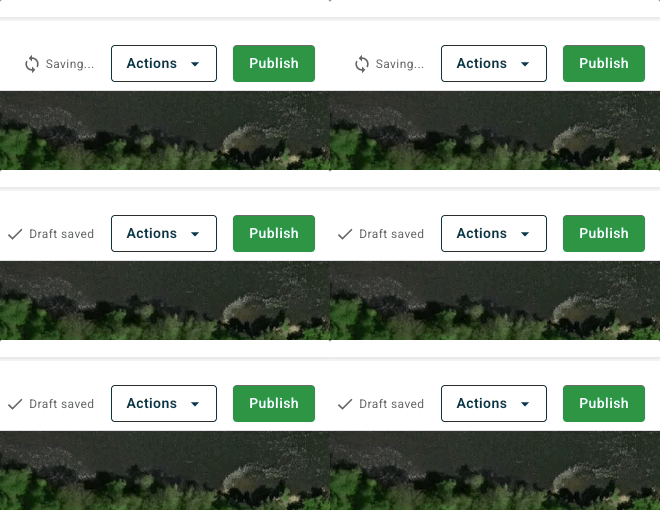
A few things have changed about how Terraso looks and behaves. As you edit your story map, a notification confirms that your changes are saved to Terraso. Press “Publish” to make those changes public. We’ve also simplified your experience by organizing actions like “invite editors” or “preview draft” to a single menu. We hope you find these changes useful and as always welcome any additional thoughts you may have.
User feedback drives how we build Terraso. If you have questions or suggestions, please don’t hesitate to contact us. Get started with Terraso’s story maps for free today!